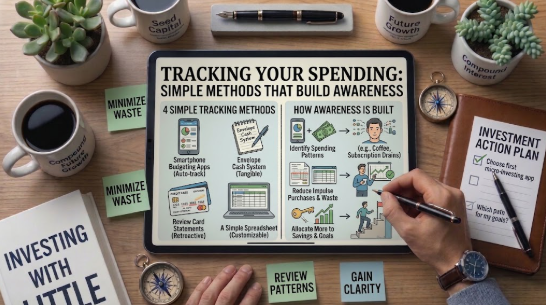
Most people have a rough idea of their major expenses, yet the smaller, frequent purchases often go unnoticed. Tracking spending brings those patterns into view and creates the foundation for better decisions.
Why Tracking Matters
Without data, it is difficult to know whether a budget is realistic or where adjustments would help most. Tracking reveals the difference between intended and actual behavior. Many people discover that a few categories account for more of their spending than they realized.
Manual Tracking Methods
A simple notebook or spreadsheet works well for those who prefer hands-on control. Record every expense daily or every few days. Categorize items such as groceries, transportation, dining, and entertainment. At the end of the week or month, total each category and compare the results with your plan.
The act of writing things down increases awareness. Some people find that knowing they will record a purchase reduces impulsive spending.
Digital Tools and Apps
Many free and paid apps connect securely to bank and credit card accounts and automatically categorize transactions. These tools save time and provide visual summaries, charts, and alerts. Choose a tool with strong security practices and a design you find easy to use regularly.
Even with automation, it is useful to review the categorized transactions for accuracy. Occasional corrections improve the quality of the data.
How Long to Track Closely
Intensive daily tracking is most valuable at the beginning or when making significant changes. After a few months of consistent data, many people shift to a lighter review of weekly or monthly summaries. Return to detailed tracking whenever income or expenses change substantially.
Turning Data Into Decisions
Look for patterns rather than isolated transactions. Are there categories that consistently exceed the planned amount? Are there areas where spending feels aligned with values and priorities? Use the information to adjust the budget, set new targets, or experiment with different habits.
Keeping the Habit Sustainable
Choose a method that feels low-friction. Pair tracking with an existing routine, such as checking accounts while having morning coffee. Focus on progress rather than perfection. Missing a day does not erase the value of the overall practice.
Spending awareness is a foundational skill. This article offers general educational information and is not personalized financial advice.