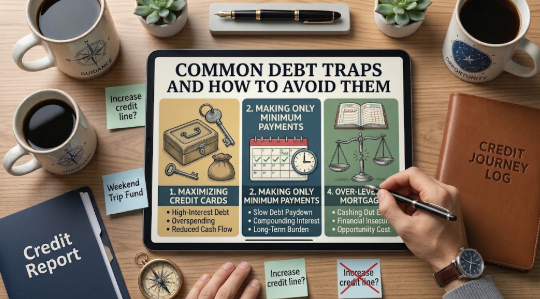
Certain patterns of borrowing and spending repeatedly lead people into difficult debt situations. Recognizing these patterns in advance makes them easier to avoid.
Relying on Minimum Payments
Credit card statements highlight the minimum payment, which is often only a small percentage of the balance. Paying only the minimum keeps the account in good standing but extends the repayment period dramatically and multiplies the total interest paid. Whenever possible, pay more than the minimum, ideally the full statement balance.
Lifestyle Inflation After Income Increases
When income rises, it is tempting to upgrade housing, cars, or daily spending immediately. If the increased spending is financed with debt or leaves no room for saving, financial stress can actually grow despite higher earnings. Directing a portion of any raise toward savings or debt reduction first creates a buffer.
High-Cost Short-Term Credit Products
Payday loans, certain cash advances, and some rent-to-own arrangements carry very high effective interest rates. They are marketed as quick solutions but frequently lead to repeated borrowing. Exploring alternatives such as negotiating payment plans with existing creditors, seeking assistance from nonprofit credit counselors, or tapping emergency savings (if available) is usually preferable.
Co-signing Without Full Understanding
Co-signing a loan makes the co-signer legally responsible for the debt if the primary borrower does not pay. This can damage the co-signer’s credit and create unexpected financial obligations. Carefully weighing the risks and the primary borrower’s ability to repay is essential.
Ignoring the Total Cost of Purchases
Focusing only on the monthly payment rather than the total amount repaid, including interest, can make expensive financed purchases appear more affordable than they are. Calculating the full cost before committing helps keep decisions grounded.
Building Protective Habits
Maintaining an emergency fund, tracking spending, and reviewing credit reports periodically reduce the likelihood of falling into these traps. When debt already exists, a clear written payoff plan provides direction.
Avoiding debt traps is largely about awareness and consistent habits. This information is educational and not personalized financial advice.